



Advantages of Milk Tea: Why It’s India’s Most Loved Beverage

Summary
Milk tea (chai) is India’s most loved beverage because it combines nutrition, energy, comfort, affordability, adaptability, and cultural meaning in a way no other drink does.
It is not just a beverage — it is a daily ritual, social connector, energy source, and emotional comfort system that fits every class, region, and lifestyle.
From rural homes to urban cafés, from railway platforms to corporate offices, milk tea works because it is:
Physiologically satisfying
Culturally embedded
Economically accessible
Emotionally comforting
Socially inclusive
In simple terms:
Milk tea succeeds because it serves both the body and the culture.
Why Is Milk Tea So Popular in India?
What Makes Milk Tea Universally Accepted?
Milk tea fits into every layer of Indian life:
| Dimension | Milk Tea Role |
|---|---|
| Cultural | Hospitality symbol |
| Nutritional | Energy + hydration |
| Social | Shared ritual |
| Economic | Affordable |
| Emotional | Comfort beverage |
| Functional | Daily stimulant |
Unlike coffee or cold beverages, milk tea is not restricted by:
Age
Region
Income
Language
Social class
Climate
This universality is rare.
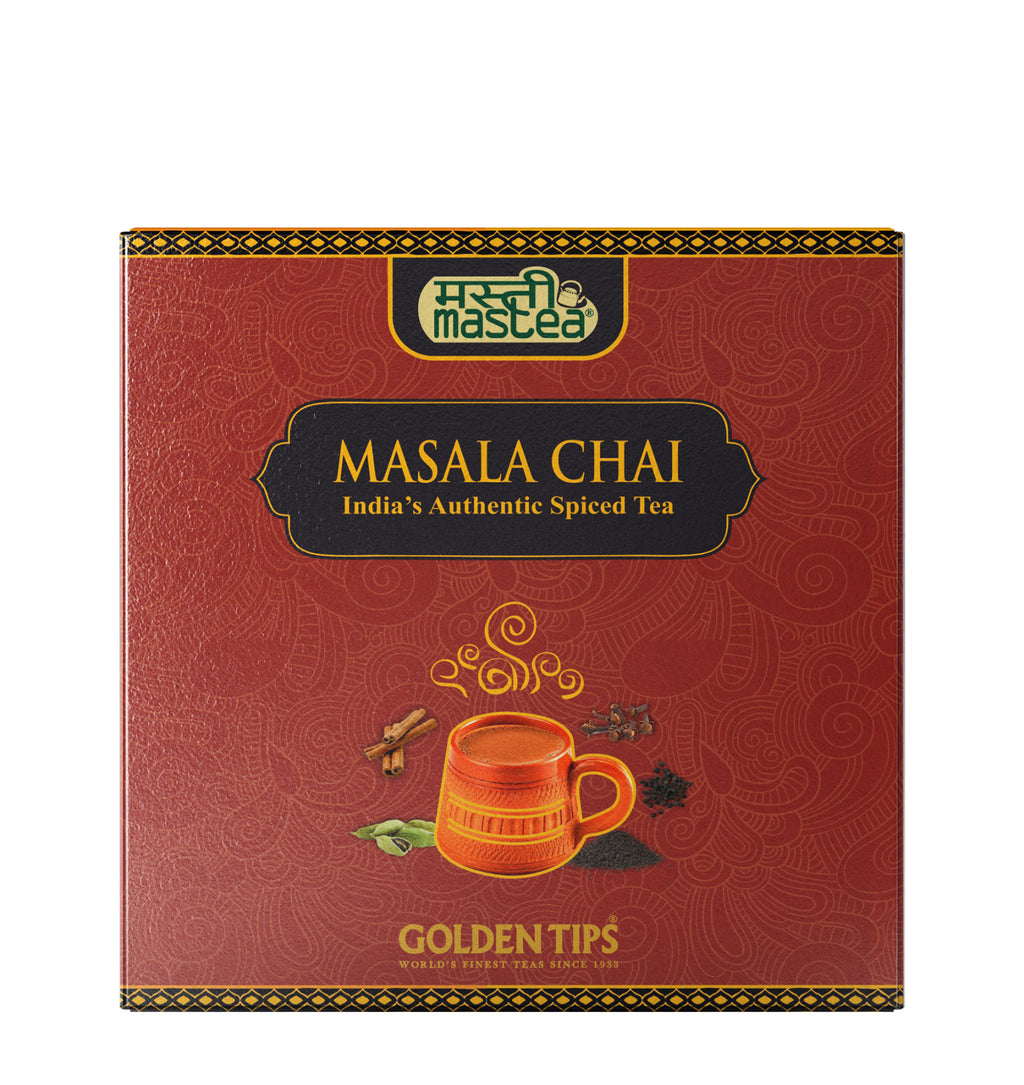
Best Masala Chai


How Did Milk Tea Become a National Habit?
Historical Evolution
Milk tea in India evolved through:
British-era tea cultivation (19th century)
Indian adaptation through milk, sugar, and spices
Railway and workplace culture
Mass affordability through CTC tea
Cultural normalisation of chai breaks
Tea shifted from a colonial beverage to an Indian cultural ritual.
What Are the Nutritional Advantages of Milk Tea?
Nutritional Composition
| Component | Benefit |
|---|---|
| Milk proteins | Satiety |
| Calcium | Bone support |
| Tea polyphenols | Antioxidant |
| Carbohydrates | Quick energy |
| Fluids | Hydration |
| Spices (chai) | Digestive support |
Milk tea provides balanced stimulation, not empty calories.
Why Does Milk Improve Tea’s Taste and Digestibility?
Chemical Interaction
Indian tea (assamica variety) has high tannin levels
Milk proteins bind tannins
This reduces bitterness
Improves smoothness
Increases digestibility
This is functional chemistry, not preference alone.
Why Is Milk Tea Ideal for Daily Consumption?
Daily Use Advantages
Gentle stimulation
Sustained energy
Digestive comfort
Affordable nutrition
Easy preparation
Consistent availability
Habit-friendly
Climate adaptable
Milk tea is designed for routine living, not luxury consumption.
How Milk Tea Supports Physical and Mental Energy
Functional Impact
| System | Effect |
|---|---|
| Nervous system | Mild stimulation |
| Digestive system | Warmth + digestion |
| Metabolism | Energy regulation |
| Mental state | Stress reduction |
| Focus | Improved alertness |
This makes milk tea both energising and calming — a rare combination.
Why Milk Tea Is a Social Connector
Tea as a Social Technology
Milk tea enables:
Conversations
Conflict resolution
Hospitality
Relationship building
Community bonding
Workplace interaction
“chai ” functions as a social bridge in Indian culture.
How Masala Chai Enhanced Milk Tea’s Value
Functional Role of Spices
| Spice | Benefit |
|---|---|
| Ginger | Circulation |
| Cardamom | Digestion |
| Cinnamon | Metabolism |
| Cloves | Immunity |
| Black pepper | Absorption |
| Fennel | Gut health |
Masala chai transformed milk tea into a functional wellness drink.
Milk Tea vs Black Tea: Which Is Better for Daily Use?
| Factor | Milk Tea | Black Tea |
|---|---|---|
| Satiety | High | Low |
| Energy | Sustained | Short spike |
| Digestibility | High | Moderate |
| Cultural integration | Very high | Moderate |
| Social use | High | Low |
| Daily habit suitability | High | Moderate |
Milk tea is better suited for daily consumption, while black tea suits occasional or refined consumption.
Why Milk Tea Is Economically Sustainable
Cost Efficiency
Milk tea:
Uses small tea quantities
Dilutes the cost with milk
Uses local ingredients
Scales easily
Supports the informal economy
Enables roadside commerce
It is both a household beverage and a livelihood system.
How Milk Tea Adapts Across India
Regional Variations
| Region | Style |
|---|---|
| North India | Masala chai |
| South India | Strong milk tea |
| Gujarat | Sweet chai |
| Kashmir | Noon chai |
| Maharashtra | Cutting chai |
| Bengal | Light milk tea |
Milk tea adapts without losing identity.
Why Indian Tea Varieties Are Ideal for Milk Tea
Indian assamica tea plants naturally produce:
Strong body
High polyphenols
Bold flavour
High tannins
This makes them structurally suited for milk blending.
Brands like Golden Tips Tea curate chai and CTC collections that are specifically designed for milk compatibility, flavour balance, and daily brewing — reflecting tea as a functional daily beverage, not just a premium product.
Is Milk Tea Healthy?
Realistic Health Perspective
Milk tea is healthy when:
Consumed in moderation
Made with quality tea
Balanced sugar use
Natural spices
Regular hydration
Part of a balanced diet
It is not a health drink — it is a balanced daily beverage.
Why Milk Tea Is Emotionally Comforting
Milk tea represents:
Familiarity
Routine
Stability
Care
Presence
Belonging
This creates emotional dependency through comfort, not addiction.
Final Thoughts
Milk tea is not India’s most loved beverage by accident.
It is loved because it works — biologically, socially, economically, and emotionally.
It provides:
Energy for the body
Calm for the mind
Connection for society
Routine for life
It is not just tea with milk.
It is India’s everyday ritual.
Key Takeaways
Milk tea balances energy, nutrition, and comfort
It is culturally embedded in Indian life
It supports digestion and hydration
It is economically accessible
It adapts across regions and lifestyles
It builds social connections
It integrates into daily routines
It is emotionally grounding
Indian tea varieties are structurally suited for milk blending
Milk tea represents functional culture, not trend culture



