


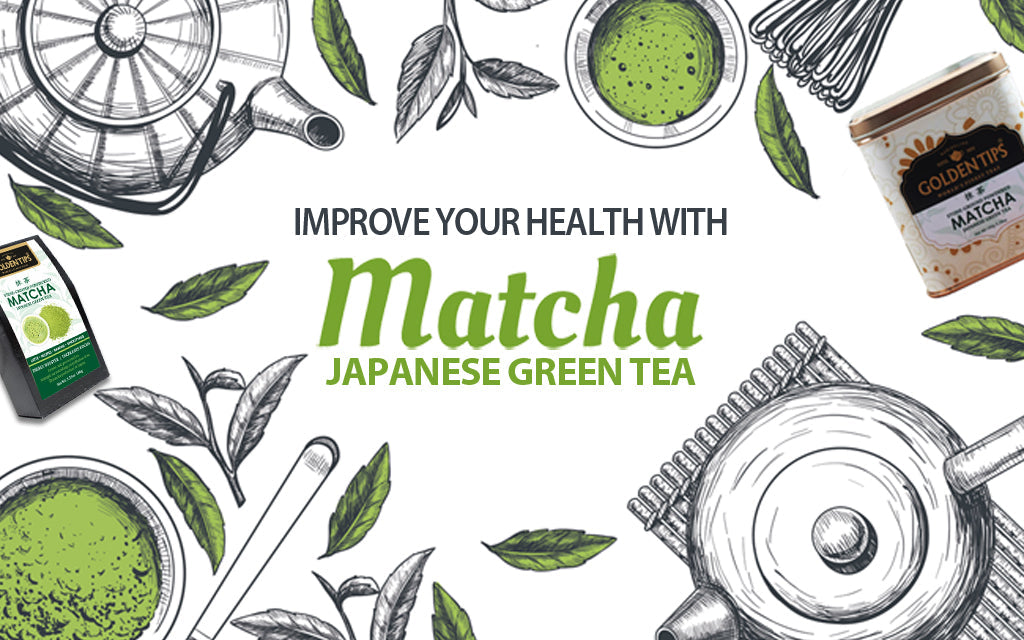
Matcha Green Tea Benefits: Why Japanese Matcha Tea Is More Than Just a Trend

Summary
Matcha green tea is a powdered Japanese green tea known for its rich antioxidant content, smooth energy boost, and versatility. Unlike regular green tea, matcha involves consuming the whole tea leaf in powdered form, which makes it more concentrated. Many people drink matcha for its potential benefits related to focus, metabolism support, antioxidants, and daily wellness.
Matcha has become one of the most talked-about wellness drinks worldwide—and for good reason. From traditional Japanese tea ceremonies to modern matcha latte, this vibrant green powder has gained popularity among tea lovers, fitness enthusiasts, and health-conscious consumers.
But what exactly makes matcha special? And are the health benefits of matcha green tea really different from regular green tea?
Let’s explore.
What Is Matcha Green Tea?
If you have ever wondered what matcha is, the answer is simple.
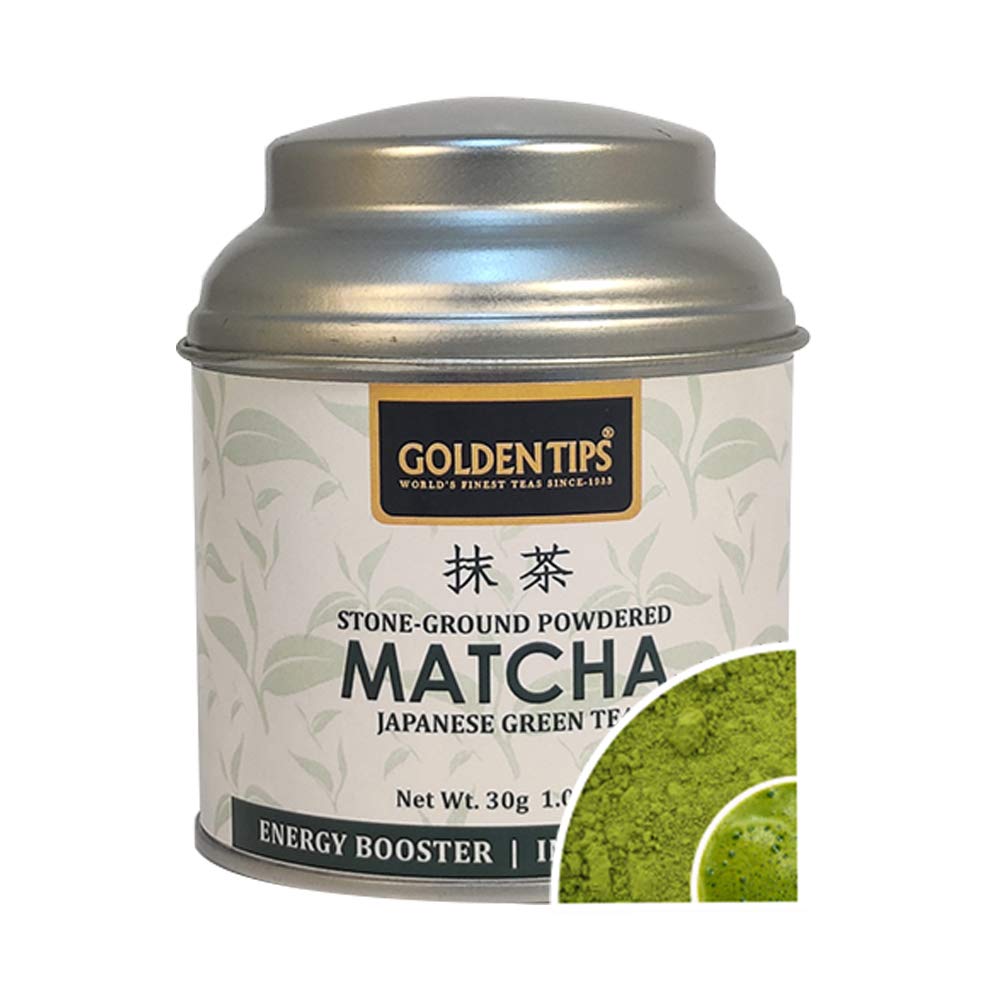
Matcha is a powdered form of green tea made from specially grown tea leaves. Unlike regular green tea, where leaves are steeped and discarded, matcha involves consuming the whole leaf in powdered form, making it more concentrated. Matcha is produced from shade-grown tea plants, which increases chlorophyll and certain plant compounds responsible for its distinct colour and flavour.
The result?
A bright green matcha tea powder with an earthy, slightly sweet, umami-rich taste packed into every cup.
Why Is Japanese Matcha So Popular?
Japanese matcha tea has become popular because it combines tradition, flavour, versatility, and wellness benefits.
Some reasons behind its popularity include:
-
Smooth and balanced energy compared to coffee
-
Higher concentration of antioxidants compared to regular brewed tea
-
Versatility for making tea, smoothies, desserts, and matcha latte recipes
-
Rich umami flavour from shade-grown cultivation methods
-
Popular among fitness and wellness communities
Many matcha drinkers also describe its energy as steadier compared to coffee due to the combination of caffeine and L-theanine, an amino acid naturally present in tea.


10 Health Benefits of Matcha Green Tea
While matcha should not be considered a miracle food, research suggests it contains compounds associated with several wellness benefits.
1. Rich Source of Antioxidants
One of the biggest matcha powder benefits is its antioxidant content.
Matcha contains catechins, particularly EGCG (epigallocatechin gallate), which help combat oxidative stress caused by free radicals. Since you consume the powdered leaf itself, matcha can provide higher concentrations of certain beneficial compounds.
2. Provides Calm Yet Focused Energy
Unlike coffee's rapid caffeine spike, matcha contains caffeine combined with L-theanine.
This combination may support:
-
Improved concentration
-
Steady alertness
-
Reduced caffeine crashes
-
More balanced energy levels
Many people prefer matcha for work, studying, or morning routines for this reason.
3. May Support Brain Function
Some studies suggest compounds present in matcha may help improve attention, reaction time, and memory performance.
This makes matcha increasingly popular among students and professionals seeking better focus.
4. Matcha for Weight Loss Support
Many people search for matcha for weight loss, but here’s the reality:
Matcha alone does not create weight loss.
However, research suggests green tea compounds combined with exercise and healthy eating may support metabolism and fat oxidation. Matcha can therefore complement—not replace—a healthy lifestyle.
5. May Support Heart Health
Green tea compounds have been associated with:
-
Supporting healthy cholesterol levels
-
Supporting blood pressure management
-
Promoting cardiovascular wellness
Since matcha comes from the same plant but in concentrated form, researchers believe similar benefits may exist. More research is still ongoing.
6. Contains Plant Compounds That May Support Metabolic Health
Certain compounds found in matcha, including catechins and polyphenols, may support insulin sensitivity and blood sugar regulation when consumed as part of a balanced diet.
7. Naturally Contains Chlorophyll
The shade-growing process increases chlorophyll levels, which contributes to matcha’s bright green appearance.
Chlorophyll itself has become popular among wellness consumers because of its association with plant-based nutrition and antioxidant content.
8. May Support Liver Health
Some research on green tea compounds suggests potential health benefits related to liver health, although scientists continue studying how this applies specifically to matcha consumption.
9. Versatile and Easy to Add to Daily Routine
Unlike many wellness foods, matcha is easy to consume.
You can enjoy it as:
-
Traditional tea
-
Iced matcha
-
Smoothies
-
Desserts
-
Matcha latte recipes
This flexibility makes daily consumption easier for many people.
10. Can Be a Better Alternative to Sugary Drinks
Unsweetened matcha is naturally low in calories and may serve as an alternative to sugary beverages, especially when prepared with minimal added sugar.
Can I Drink Matcha Every Day?
Yes, many people drink matcha daily.
However, moderation matters.
Since matcha contains caffeine and concentrated plant compounds, many experts recommend around:
1–2 servings daily or approximately 1–2 teaspoons of matcha powder
Some people sensitive to caffeine may prefer consuming matcha earlier in the day.
Matcha vs Green Tea: What’s the Difference?
| Matcha Green Tea | Regular Green Tea |
|---|---|
| Powdered tea leaves consumed | Leaves steeped and discarded |
| Higher concentration of certain compounds | Lower concentration |
| More intense flavour | Lighter flavour |
| Contains more caffeine | Usually lower caffeine |
| Commonly used for tea and matcha latte recipes | Mostly brewed as tea |
The biggest difference?
With matcha, you consume the leaf itself—making it a more concentrated tea experience.
Final Thoughts
The growing popularity of matcha isn't only because of social media trends.
Its unique cultivation process, concentrated nutrients, versatility, and smooth energy profile make it different from regular tea.
Whether you enjoy traditional Japanese matcha tea, prepare a creamy matcha latte, or simply want to explore healthier beverage options, matcha offers an interesting combination of flavour and functionality.
Key Takeaways
-
Matcha green tea is made from powdered tea leaves, meaning you consume the whole leaf rather than simply brewing it.
-
Matcha naturally contains antioxidants, caffeine, and L-theanine, which may support focus and steady energy.
-
Many people use matcha for weight loss support as part of healthy eating and exercise routines.
-
Japanese matcha tea is popular because of its unique cultivation process, flavour, and versatility.
-
Matcha can be consumed in many forms, including traditional tea, iced beverages, smoothies, and matcha latte recipes.
-
Drinking 1–2 servings daily is common, although caffeine sensitivity varies between individuals.
-
Compared to regular green tea, matcha provides a more concentrated tea experience because the powdered leaf itself is consumed.
Frequently Asked Questions About Matcha Green Tea
What is matcha green tea?
Matcha green tea is a powdered form of specially grown green tea leaves. Unlike regular green tea, where leaves are steeped and removed, matcha involves consuming the powdered leaf itself, which provides a more concentrated tea experience.
What are the health benefits of matcha green tea?
Some commonly discussed health benefits of matcha green tea include antioxidant support, improved focus, steady energy, metabolism support, and plant compounds that may contribute to overall wellness. However, matcha works best as part of a balanced lifestyle.
Is matcha healthier than regular green tea?
Matcha may contain higher concentrations of certain antioxidants and plant compounds because the whole tea leaf is consumed rather than discarded after brewing. However, both matcha and regular green tea can be part of a healthy diet.
Can I drink matcha every day?
Yes, many people drink matcha daily. Moderate consumption—typically around 1–2 servings per day—is common. Since matcha naturally contains caffeine, some individuals may prefer consuming it earlier in the day.
Does matcha contain caffeine?
Yes, matcha naturally contains caffeine. However, many people describe matcha energy as smoother compared to coffee because matcha also contains L-theanine, an amino acid found naturally in tea.
Is matcha good for weight loss?
Many people use matcha for weight loss as part of healthy eating and exercise routines. While matcha itself does not directly cause weight loss, some research suggests green tea compounds may support metabolism and fat oxidation.
What is the difference between matcha and green tea?
The biggest difference is preparation. Matcha is consumed as powdered tea leaves mixed into water, while regular green tea is brewed by steeping leaves and removing them afterward. This makes matcha more concentrated.
What are the benefits of matcha powder?
Some commonly discussed matcha powder benefits include antioxidant content, focus support, steady energy, versatility in recipes, and convenience for daily consumption.
Can I drink matcha on an empty stomach?
Some people can drink matcha on an empty stomach without issues, while others may experience mild stomach discomfort because matcha contains concentrated compounds and caffeine. If sensitive, consuming matcha after food may feel more comfortable.
Is matcha latte healthy?
A matcha latte can be a healthier beverage option depending on preparation. Unsweetened matcha with minimal added sugar generally provides more nutritional value than heavily sweetened versions.
Which is better: Japanese matcha or regular matcha?
Japanese matcha tea is often associated with traditional cultivation and processing methods that contribute to its flavour, colour, and texture. Quality varies by grade, origin, and production methods rather than country name alone.
What does matcha taste like?
Matcha usually has an earthy, vegetal, slightly sweet, and umami-rich flavour. Higher-quality matcha is often smoother and less bitter compared to lower-grade varieties.